
-
2025. Making Sense of the Year; Carrying Forward What Matters
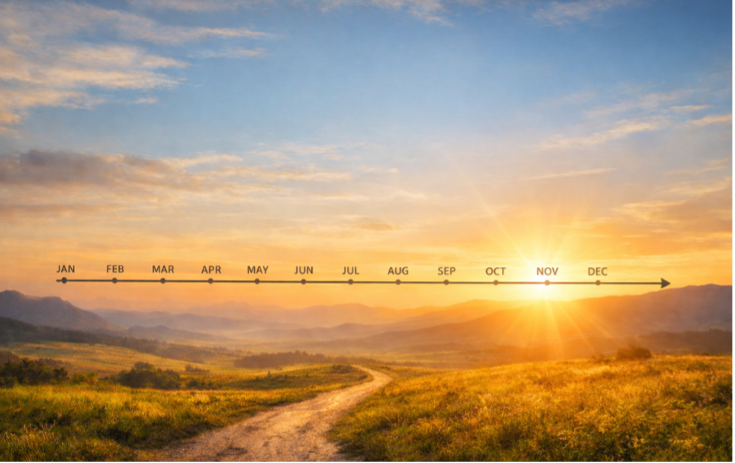
Year-end reflection has long been a tradition for me. As the calendar winds down, I find myself slowing down too and trying to make sense of what happened over the past year. The milestones. The headlines. And the quieter moments that shaped how I think, how I lead, and how I show up for others.
Experience has taught me that it’s worth sharing what we learn along the way. Most human experiences aren’t as unique as they feel when we’re in the middle of them. We all deal with change, loss, uncertainty, and growth—just in different forms. Sometimes simply knowing someone else has been there makes all the difference.
With that in mind, here are a few things this year reinforced for me.
Relationships and Trust: The Foundation of Everything
One of the biggest reminders this year was how central relationships and trust continue to be, especially when things get hard. Good times can mask a lot. It’s often pressure, uncertainty, or loss that reveals what’s really there.
During challenging moments, trust either shows up or it doesn’t. When it’s present, people engage, conversations get more honest, and progress feels possible. When it’s missing, even small issues become heavy, and misunderstandings multiply.
This year reinforced for me that trust isn’t built through big speeches or bold talk. It’s built quietly, over time…by keeping commitments, being clear rather than clever, listening when it would be easier to talk, and showing up consistently. These habits don’t guarantee everything will be easy, but they do make difficulties easier to navigate.
Hardship also has a way of holding up a mirror. It shows us where relationships are strong, and where we may have fallen short. That awareness, while uncomfortable at times, is also an opportunity to reset, repair, and recommit.
Relationships aren’t a “soft skill.” They’re the foundation of leadership, work, and life—especially when conditions are anything but easy.
How We Define Ourselves Matters
Another lesson that surfaced this year was the importance of paying attention to the stories we tell ourselves. The words we use, often without even realizing it, have a way of shaping how we think, how we act, and what we believe is possible.
As I reflected on the changes in my own life over the past year, I noticed how often I still described myself as “a public company CEO.” That role defined a significant chapter of my life, and it served me well. But continuing to hold onto it also made it harder to fully step into what comes next. Letting go of who I was to make room for who I can become has been a humbling—and necessary—part of this transition.
To make that shift more intentional, I took time to write out my “I Am’s” for today and for the future, across areas like family, legacy, contribution, and personal growth. It was a simple exercise, but a grounding one. It reminded me that how we define ourselves, often quietly and privately, has a powerful influence on how we show up in the world.
Progress Is Evolutionary, Not Instantaneous
This year was a good reminder of how easy it is to confuse visibility with speed, especially when it comes to technology. With constant headlines about artificial intelligence, it can start to feel like everything is about to change overnight.
One book that helped ground my thinking was Agentic Artificial Intelligence. Instead of framing AI as a single breakthrough, it looks at progress as a series of small, meaningful steps that build over time. What stuck with me wasn’t just what AI might eventually do, but the reminder of how change actually tends to happen in the real world.
AI will absolutely reshape how we work and live, but it won’t happen all at once. Like most meaningful change, it’ll come through steady adoption, experimentation, and refinement. This perspective helps me stay curious without getting caught up in the hype, keeping my focus on steady, thoughtful progress.
Leadership Revealed in Times of Uncertainty
It’s been an exciting and at times unpredictable year. Looking back, what stood out to me was how differently leaders show up when things aren’t clear.
The strongest leaders I saw didn’t rush to have all the answers. They were comfortable saying, “I don’t know yet.” They asked better questions, gave others room to think, and stayed steady instead of reacting to every new development. They didn’t try to gloss over uncertainty. Instead, they acknowledged it and helped people keep moving forward anyway.
It reinforced for me that leadership isn’t about control. It’s about helping create a sense of clarity and calm so people can do and be their best, even when the path ahead isn’t obvious.
Other Ways I Learned This Year
While “lived” experience has always been my greatest teacher, books and podcasts have been helpful companions this year, especially during harder moments.
One that stayed with me was an episode of the Hidden Brain podcast called The Path to Enough. It helped me process the loss of my sister earlier this year. She struggled with substance abuse, and we lost her far too soon, a reality many families know all too well.
The episode helped me understand addiction not just emotionally, but scientifically—how today’s environment offers constant access to short-term rewards that can push the brain’s dopamine system out of balance. Learning that restraint, hardship, and doing difficult things can help restore balance didn’t make the loss easier, but it did bring clarity and compassion. It reminded me how important it is to meet others, and ourselves, with empathy rather than judgment.
_________
As I look ahead to 2026, one thing I want to keep doing is making more room to pause and reflect, not just at the end of the year, but along the way. Taking a few moments to ask simple questions: What’s working? What’s not? And what deserves more attention?
Reflection doesn’t change what’s already happened but it does help shape what comes next. Over time, it’s what allows experience to turn into wisdom.
As this year ends, I’m grateful for the people who’ve taught me, the conversations that stretched my thinking, and the chances to keep learning, even when those lessons came through hard moments.
I’d love to hear about your year. What did it teach you? What did you read or listen to that influenced your thinking? And what habit or practice do you hope to carry into the new year?
If sharing our experiences helps even one person feel less alone, it’s worth doing.
-
Wisdom, The Work of a Lifetime
When I first graduated from college and started working, I thought wisdom was mostly about being technically smart. If you knew the details, understood the numbers, and worked hard, wisdom would naturally follow. Early in my career, I measured it by how quickly I could solve problems, how often I had the answers, and how well I performed.
It didn’t take long to realize that way of thinking only told part of the story.
Some of the most meaningful lessons in my life didn’t come from formal education or career success. They came from experience—sometimes by choice, sometimes by surprise—and often in moments that threw my plans off course or forced me to rethink what I thought I knew.
I’ve learned that wisdom doesn’t automatically come with age, a title, or more responsibility. For me, it tends to grow when I slow down, pay attention, and actually sit with what life is teaching me. I’ve always been an experiential learner. Things really sink in when I’m living them, not just reading about them. Experience has been my most honest teacher. Not always comfortable but always revealing.
Experience as a Teacher
That understanding came into sharper focus during a recent trip to Israel. While traveling, I was reading Wisdom Takes Work by Ryan Holiday, and the title resonated immediately. I enjoy learning, but what I’m most interested in is whether what I’m learning actually changes how I show up for others.
One idea Holiday explores is that wisdom isn’t something you ever fully “reach.” It’s something you practice, over and over. That felt true to my own experience. Over time, I’ve seen that wisdom tends to grow slowly—through lived experience, reflection, a bit of humility, and simply showing up consistently, not just from what we know.
I’ve also come to see that wisdom has a way of revealing itself through history. The world may look different, but the human dilemmas don’t change all that much. That became especially clear during my visit to Israel.
One of the most meaningful moments came at Masada. Standing there, I learned how Jewish families once faced an impossible choice as Roman forces closed in: surrender and live under slavery and humiliation or die on their own terms. As the story unfolded, the atmosphere felt heavy. It didn’t feel like distant history. It felt very human—a moment about dignity, control, and what makes a life worth living.
That place stirred questions many of us eventually face with the people we love, like how we balance survival with dignity, and length of life with meaning. Masada made those questions real for me. Not theoretical. Not abstract. Just human.
For my family, this wasn’t just something to think about. We had recently made the decision to move my sister to hospice, knowing that comfort, peace, and honoring her wishes mattered most. Standing there, I felt a quiet sense of confirmation. It didn’t feel like giving up. It felt like choosing dignity.
I left with a deeper appreciation that wisdom doesn’t live in books alone. Often, it shows up in places and moments where difficult choices have already been made, and where we allow those moments to shed light on our own lives.
Wisdom Through Practice
Looking back, I’ve noticed that wisdom tends to show up in ordinary moments rather than dramatic ones. It’s reflected in how we listen before speaking, how we respond under pressure, and how we treat people when there’s nothing to gain. It shows up in how we recover from mistakes and in our willingness to admit uncertainty.
Over time, I’ve come to see how much curiosity and consistency matter. Curiosity helps me stay open—asking better questions, listening more closely, and resisting the urge to assume I already know the answer. I’ve written before that one of the most powerful tools we have isn’t what we say, but the questions we ask. That’s something I still have to remind myself of, especially when it would be easier to talk than to listen.
Consistency, I’ve learned, is what allows those moments of awareness to take root. Like most things in life, progress rarely comes from big, infrequent moves. It’s shaped by quiet, daily steps that don’t draw attention but steadily move us forward. Looking back, it’s those small, repeated choices that seem to matter most in long journeys.
Reflection has also played an important role for me. Some of my clearest insights have come early in the morning or late in the evening, when the pace slows. I’ve found value in regularly looking back on the week, noticing what went well, what didn’t, and where I might want to show up differently. Those quiet pauses have shaped me more than any single event.
The Role of Humility
If there’s one quality that seems to underpin all of this, it’s humility. I’ve learned that wisdom rarely grows where certainty dominates. A mindset that has been helpful for me is reframing situations with a simple question: what can I learn from this person, this moment, or even from quietly observing the world around me. Whether it’s a conversation, a meeting, or sitting on a park bench, there is usually something there if I’m paying attention.
My natural tendency has often been to want to be the person who knows. Over time, I’ve had to consciously shift that posture toward curiosity and learning. The people who have influenced me most—mentors, colleagues, friends, and even critics—are the ones who helped me see blind spots and consider perspectives I hadn’t noticed before.
Listening hasn’t always been easy for me, but it has been instructive. I’ve come to appreciate how much wisdom depends on staying teachable, regardless of experience or position.
__________
Ryan Holiday writes, “Wisdom is a by-product of doing the right thing in the right way at the right time—not just once, but consistently over the course of a life.” That idea resonates with me. It suggests that wisdom isn’t a destination, but a practice.
I’m still learning. I still catch myself moving too quickly or reacting before reflecting. Lately, I’ve been trying to end each day by asking what I learned and how I showed up. Some days the answers are clearer than others.
What I’m coming to appreciate is that wisdom grows through practice, not perfection. It shows up in small moments, in reflection, in restraint, and in the willingness to remain teachable. I’m still very much a student of that process. But I’ve learned that when we stay curious, take time to reflect, and allow experience to do its work, wisdom has a way of finding us.
-
Confidence Built in the Quiet
Over the past few years, and especially recently, I’ve started paying closer attention to how the world around us quietly shapes the way we think and feel. One thing I keep noticing, and something a recent John Maxwell podcast reminded me of, is just how much social media influences our confidence.
Social media doesn’t just give us information, it shapes us. It nudges us into comparisons long before we even realize what’s happening. We’re constantly exposed to curated highlight reels that don’t look anything like real life. And without really noticing it, we start comparing our progress, our pace, and even our sense of self to filtered snapshots of someone else’s story.
What begins as simple scrolling can quietly become a search for applause, acceptance, or validation. It pushes us toward comparison instead of growth, performance instead of authenticity, and noise instead of clarity. And while none of this makes us weak (just human), it does create a kind of pressure that many people, especially younger people, don’t fully see. In many ways, it’s one of the biggest hidden sources of stress and insecurity today. Which is why I keep coming back to the simple truth that realconfidence isn’t built in public but in the quiet.
Where Real Confidence Actually Comes From
The older I get, the easier it is to see the patterns in my own life. With time, the twists and turns (some planned, many not) start to make more sense. What stands out now aren’t the big moments I once thought were everything, but the quieter lessons that shaped me slowly, often without me noticing at the time. One of the most meaningful has been about confidence, the real, lasting kind that comes from a very different place than I used to think.
For a long time, I assumed confidence came from momentum, achievements, and the belief other people had in me. And while those things help, they don’t last. They fade as soon as circumstances shift or a new challenge shows up.
With a longer view now, I’ve learned real confidence doesn’t come from approval, recognition, or applause but from simpler things, like having a clear purpose, being prepared, and doing the work no one sees. It’s the slow, quiet kind of confidence built in private, tested in adversity, and strengthened by gratitude.
And the truth is, real confidence is almost invisible from the outside. It’s what keeps you grounded when decisions are hard. It’s what helps you trust your own pace without constantly comparing yourself to everyone else. Most of all, it’s rooted in who you’re becoming, not in what other people think.
The Illusion of the Highlight Reel
One of the hardest things about living in a social-media world is the “highlight reel” effect. It can make it seem like everyone else’s life is more exciting, more put-together, and more successful than ours. But what we’re seeing isn’t the full story, it’s the edited version.
We almost never see the process. We only see the end result. We don’t see the late nights, the doubts, or the mistakes. We just see the one photo or moment that made the cut. And when we compare our lives to someone else’s curated snapshots, our confidence can take a hit almost instantly.
Real confidence grows in the parts of life no one posts: the practice, the preparation, the quiet discipline, the small habits, and the moments we push forward even when we’re not sure. Those are the moments that actually shape us.
The World Loves Applause. Real Growth Doesn’t Need It.
Looking back, I can see the times in my life when I leaned too heavily on approval. I told myself I was being responsible or considerate, but the truth is, there were moments when I wanted to be liked more than I wanted to be right. Some of the hardest decisions I ever made were the ones where applause was unlikely and criticism was almost guaranteed. Those moments made me hesitate and second-guess myself.
That’s how I learned that if confidence depends on how people react, it’s always going to feel shaky. But when it comes from purpose, preparation, and values you really believe in, the outside noise gets quieter. You start hearing your own voice more clearly. You make decisions with a calmer mind, and you’re able to move forward with clarity instead of fear. The part social media never shows is that this kind of confidence isn’t built in big leaps but through quiet, consistent habits. One step and choice at a time.
The Comparison Trap
Comparison has always been part of human nature, but social media has turned it into a constant companion. We compare careers, relationships, pace, milestones, and progress. And the comparison is relentless because it’s in our pocket, available every minute of the day.
It took me years to realize that the only person worth comparing myself to is who I was yesterday. Everyone’s timeline is different. Everyone’s career unfolds differently. Opportunities appear and disappear in ways we can’t predict. When I look back, the times I compared myself to others were the moments I felt the most unsteady, not because I was behind but because I had taken my attention away from my own path.
Quiet confidence grows when the question shifts from: “Am I ahead of them?” to “Am I becoming the best version of myself?” That shift changes everything.
Confidence Begins With How You Treat Yourself
Another lesson I learned after ignoring it for too long is that confidence is directly tied to how well we care for our mind and body. When you’re exhausted, overwhelmed, or stretched too thin, everything feels heavier.
Social media glorifies hustle. But quiet confidence grows from self-respect, and self-respect grows from how we treat our energy, time, and health.
I know for me, when I do the basics in the morning, I start the day with confidence. You don’t need anything complicated. The basics are more than enough. A simple morning routine that grounds you, some kind of movement each day, a few quiet moments to reflect, boundaries that protect your time and energy, and real rest without feeling guilty. These are the things that make a difference. These small, everyday practices shape who we become, and they help bring clarity when life starts to feel noisy.
So what does quiet confidence actually look like in everyday life? It shows up in small ways, like keeping promises to yourself even when no one is watching, preparing long before the moment you need to show up, speaking honestly when staying silent would be easier, owning your mistakes instead of trying to hide them, and choosing discipline over convenience. There’s no applause for any of this, but these are the things that build a foundation that lasts.
________
If I could offer my younger self some encouragement and advice, I wouldn’t pretend to have all the answers. I’m still learning, still adjusting, still trying to be a better version of who I was yesterday. But with more life behind me now, here’s what I’d say:
- You don’t need perfect timing. You don’t need applause. You don’t need to have everything figured out.
- Growth doesn’t require certainty, just willingness. Willingness to take responsibility for your choices, to learn from missteps, and to keep moving even when the next step isn’t entirely clear.
- The small decisions you make each day—the honest conversations, the moments of discipline, the times you choose integrity over comfort—those are the ones that shape you. They won’t feel dramatic, and most won’t earn any recognition. But they’ll build something inside you that lasts.
- And over time, if you stay patient with yourself, you’ll begin to notice quiet progress. You’ll feel steadier during uncertainty. You’ll see that becoming who you’re meant to be has very little to do with pace or comparison and everything to do with being open, grateful, and willing to grow.
- You don’t have to rush. You don’t have to compete. You just have to keep taking the next honest step.
And if you do that, you’ll be okay … more than okay. You’ll become someone you can trust. Someone you can respect. And someone who is still learning, still growing, and still humbled by the journey.
-
A Thanksgiving Thank You
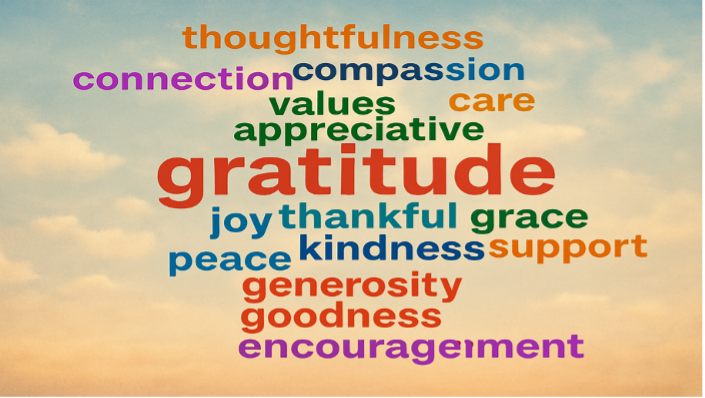
Before the week slips by, I want to wish you a Happy Thanksgiving.
Something about this season naturally brings gratitude front and center. In a world that can feel fast, noisy, and uncertain, gratitude has a way of steadying us and helping us see what really matters. It slows us down, helps us breathe a little deeper, and reminds us that even in tough moments, there’s still so much going right.
What I love most about gratitude is how it works both ways. A sincere “thank you” makes someone else feel seen, and it also gives something back to us. It softens us, recenters us, and makes us a little stronger on the inside. A kind word, a familiar voice, a quick moment of connection, or even a simple text from someone we haven’t heard from in a while, these small moments stick with us more than we realize. They take on even more meaning as time goes by.
I’ve tried to make gratitude a small part of my everyday routine. Sometimes it’s just taking 30 seconds in the morning to think about someone who made the day before a little better. Other times, it’s noticing the small blessings I usually rush past. It’s surprising how something so simple can reset your whole perspective. When we pause and ask ourselves what’s going well, the rest of the day (and everything on our plate) starts to feel clearer. Gratitude helps us see what really matters, what isn’t worth stressing over, and what deserves our time and energy.
Thanksgiving brings this into focus more than any other holiday because it isn’t about rushing, shopping, or obligations. It’s about slowing down, being present, and giving others something lasting: the gift of our gratitude.
For me, I’m deeply grateful for my family. They’re at the center of everything. I’m also grateful for the colleagues, mentors, and teammates who’ve shaped my life and my leadership over the years. To my current and former colleagues: thank you. Thank you for the partnership, the honesty, the curiosity, and even the disagreements that helped us get to better answers. Thank you for the early-morning conversations, the late-night problem-solving, the questions that pushed my thinking, and the moments you showed me a better way. Thank you for the ideas, lessons, laughter, and shared purpose. I carry all of it with me.
One of the privileges of leadership is watching people discover what they’re capable of. I’ve had the honor of witnessing that many times and it’s one of the things I’m most grateful for. But more than anything, I’m grateful for the relationships … for the chance to build something memorable together.
________
As we head into Thanksgiving, I hope you’ll think about the people who’ve helped shape you—the mentors who guided you, the colleagues who pushed you, the friends who steadied you, and the family who lifted you up. And if someone comes to mind, reach out. A simple “I was thinking about you today, and I’m grateful for you” might mean more to them than you realize. And it might give something back to you too.
Wishing you and your families a warm and meaningful Thanksgiving.
-
Mentorship: A Constant in Every Stage of Life

After decades leading teams and organizations, I’ve realized mentorship isn’t something you outgrow. If anything, it becomes even more important as you move through different phases of life.
What’s surprised me most is that mentorship comes in many forms—coach, teacher, sponsor, accountability partner, challenger, or simply someone who listens. Different people fill those roles at different times. During my years as a CEO, I was surrounded by talented advisors, board members, and colleagues who helped me grow. Some of my most valuable mentoring sessions, though, were with my wife and kids, the ones who often know me better than I know myself.
In this chapter I’m living right now, the need for guidance hasn’t gone away. I still look to mentors, but the questions have changed. It’s less about running a business and more about finding balance, purpose, and a life that makes a lasting difference. Honest feedback and fresh perspectives are just as important today as they’ve ever been. No matter how much experience we collect, we still need people who help us see what we might otherwise miss, push us to stay curious, and remind us that growth doesn’t have an expiration date.
A Way of Life, Not a Program
For me, mentorship has never been a formal program. It’s always been a way of living with curiosity, humility, and a commitment to keep learning.
Take the early years of my career. The trunk of my car was packed with cassette tapes of leadership books I’d listen to on my daily commute. (After a minor fender bender, the police report even noted “over 100 damaged tapes” in the trunk.) Those drives were my classroom. Each mile taught lessons in positivity, consistency, and character, ideas that became the foundation for how I try to lead and live today.
What I didn’t realize at the time was that I was being mentored by voices I’d never met. Those recordings, along with the people I encountered along the way, taught me that talent isn’t fixed. It grows when we stay curious and are willing to learn.
Over the years, I’ve noticed how much our surroundings shape us. In high school and college, I tried to put myself around people I admired, those whose values and standards I hoped to follow. Later in my career, I chose to work with leaders who stretched me, the kind who set expectations that made me raise my own.
It turns out environment can be one of life’s greatest mentors. The places and people we choose to be around quietly influence our habits, our mindset, and what we think is possible. When we put ourselves in spaces that challenge and inspire us, we can’t help but grow.
Over time, I’ve realized all of this applies well beyond work. Joining a health club reminds me daily of the power of community in staying healthy. Being part of a reading group keeps me accountable to learning. Biking with the Zwift app has given me perspective on my own performance, showing how feedback, consistency, and a bit of friendly competition can fuel growth. Traveling exposes me to different cultures and ways of thinking, while time on the water or in nature creates space for reflection and clarity. Conversations over dinner with friends from different vocations broaden my perspective, just as volunteering and mentoring younger people keep me grounded in purpose.
Our environment is a mirror that reflects what we believe is possible. The more we intentionally place ourselves in spaces that challenge, inspire, and renew us, the faster and deeper we grow.
The Mentors Who Shaped Me
I’ve been fortunate to have had mentors at every stage of my journey. Early in my career at Price Waterhouse, a partner took me under his wing. He demanded excellence … precision in the work, responsiveness to clients, and a deep technical understanding. Many of those late nights were uncomfortable and stressful, but they shaped me. They taught me to hold myself to high standards and never compromise on quality. Those lessons became part of who I am.
Years later, a trusted mentor who’s since become a lifelong friend helped me make the leap from CFO to CEO. He saw potential in me before I did. He believed in me, took chances on me, and remains one of my first calls in challenging moments.
I’ve also been mentored by people younger than me or with entirely different expertise. Some of the most impactful in recent years have been those deeply skilled in data and technology, helping me understand how emerging tools like AI could transform healthcare and business. And some of the most powerful lessons came from those closest to the work. Conversations with frontline teammates—those interacting with customers every day—provided insights I could never get from reports or meetings. They reminded me what mattered most: serving people well.
These experiences reinforced that mentorship isn’t hierarchical, it’s reciprocal. You can learn from anyone, regardless of age or title, if you stay humble and curious.
Lessons Learned as Both Mentee and Mentor
Over the years, I’ve found the best lessons in mentorship come quietly through experience, reflection, and honest conversation. Whether I’ve been guided or guiding, a few principles have stayed constant:
- Start with clarity. At different stages of life, we need different mentors. Let your priorities guide who you seek out, so growth isn’t left to chance.
- Stay curious. Titles change, but the need to keep learning never does. Curiosity bridges who we are with who we’re becoming.
- Ask good questions and really listen. The best mentoring conversations aren’t about having all the answers but being fully present. Listening to understand, not to respond, is one of the most powerful leadership skills we can develop.
- Make time. Mentorship doesn’t have to be formal, but it does require intention. A brief call, a shared meal, or a short note can have lasting impact. Over time, those small acts of connection compound into trust.
- Seek truth-tellers. We all need people who will tell us what we need to hear, not just what we want to hear. Honest feedback, given with care, shapes us more than praise ever could.
- Embrace discomfort. Growth rarely happens in our comfort zone. Every meaningful step forward involves risk, experimentation, and the occasional setback. Those moments teach resilience and humility.
From the trunk full of leadership tapes in my twenties to conversations with data scientists and students today, mentorship has been a constant. It’s a reminder that growth never stops and that we become our best selves when we keep learning from one another.
No matter where you are in life, keep asking questions, keep showing up for others. And keep learning.
-
Designing for an Aging World: Leading with Empathy, Building with Purpose
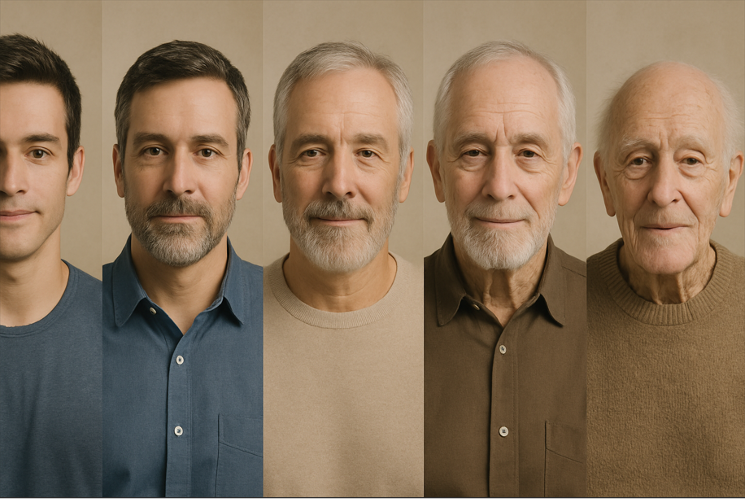
I recently read a Wall Street Journal article titled “What It Feels Like to Grow Old–All in a Special Suit.” It described MIT’s Age Gain Now Empathy System, or “Agnes” suit, a remarkable creation that allows people to experience the physical and sensory limitations that accompany aging. The story hit home for me. Now in my sixth decade, I’m grateful for good health, but I’ve also begun to notice the quiet reminders of time … the occasional ache, a little less spring in my knees, and eyesight that’s not quite as sharp as it once was.
It resonated even more because I’ve spent time with Joe Coughlin and his team at MIT’s AgeLab, who pioneered this work. Joe has long been a visionary in helping companies understand both the realities, and the vast potential, of an aging society. His research reminds us that aging isn’t a single point in life but a continuous journey we’re all on. It’s physical, cognitive, emotional, and deeply human.
The Agnes suit might simulate aging, but it uncovers something very real: that empathy, not efficiency, will define how we meet this demographic moment. As the U.S. population grows older faster than ever, nearly every industry will need to rethink its assumptions. For too long, innovation has designed around youth, always aiming for what’s faster, flashier, and newer. Whether it’s GLP-1s, functional medicine, health trackers, or supplements intended to extend vitality, the question isn’t just how to help people live longer, it’s how to help them live well at every stage of life.
We often talk about the aging population as a looming challenge, with more healthcare costs, more dependency, more strain on systems. But there’s another, more powerful story to tell. Older adults are healthier, wealthier, and more engaged than any previous generation in history. They are consumers, caregivers, volunteers, and entrepreneurs, shaping markets and communities in significant ways. What Joe Coughlin calls the “longevity economy” represents not just trillions of dollars in spending power, but also an untapped source of wisdom, creativity, and purpose. The companies that recognize this shift and design products, services, and experiences that honor it won’t only capture new markets, they’ll help redefine what it means to live well as we age.
Designing for Dignity: Building Products and Systems That Honor Aging
If empathy is the starting point, design is where it becomes real. The best companies go beyond reacting to demographic change; they anticipate it, creating products and experiences that honor the complexity, diversity, and dignity of aging.
One small example from my own life helps make the point. When I stay in a hotel, I often find myself squinting in the shower, trying to read which bottle is shampoo, conditioner, or body wash. The labels are elegant but nearly illegible, with small print, low contrast, and a design meant for someone with perfect close vision. It’s a small frustration, but it points to something bigger: most products are designed for people in their physical prime, not for those whose eyes, hands, or reflexes have changed over time.
Empathy is more than a moral virtue; it’s a strategy for innovation. MIT’s “Agnes” suit shows how much design can shift when people experience aging firsthand. A store manager who has worn the suit quickly sees how confusing aisles become when signs blur. A designer realizes how painful it is to twist open a tightly sealed bottle. These small moments spark insight, leading to clearer packaging, easier-to-use products, and more accessible layouts. When you design for the 80-year-old, you almost always make life easier for the 18-year-old too.
For me, empathy is also deeply personal. When my dad was diagnosed with Alzheimer’s, our family learned that no technology or program could replace the role of an empathetic caregiver. Compassion and connection weren’t just comforting, they were essential. That experience reinforced something I’ve learned throughout my career: in healthcare, the human side isn’t separate from progress; it’s what drives it. When we understand the frustrations, limitations, and hopes people live with, we can design solutions that meet them where they are. Empathy is what pushes innovation forward.
Why Health Care Must Lead
Nowhere is empathy more critical than in healthcare. The system already serves older adults, but it needs to evolve from reactive care to proactive leadership in how we experience aging. For too many, healthcare feels like a maze of appointments, referrals, and billing codes that make sense to the system but not to the patient. For older adults, every extra step adds stress and risk. Simplifying navigation, coordinating care, and reducing friction aren’t just operational fixes, they’re acts of empathy that build trust.
It also means recognizing that “older adults” aren’t a single group. A 65-year-old retiree in good health has very different needs from an 85-year-old living alone. Younger seniors often seek independence, travel, and digital convenience. Older seniors may face declining mobility, multiple chronic conditions, or cognitive changes, so their needs often center on safety, reliable caregiving, and preserving dignity. Designing for this full spectrum isn’t easy, but it’s essential.
The most forward-thinking organizations are showing what this looks like:
- Designing for simplicity. Complexity becomes friction as people age. Companies like Apple and Philips have led the way with intuitive, accessible designs that empower rather than patronize. From the Apple Watch’s fall detection and ECG monitoring to Philips’ remote patient-monitoring systems, these innovations help older adults stay independent while maintaining connection and confidence.
- Integrating care into daily life. The next generation of healthcare products must meet people where they are – at home, in routines, and among loved ones. Investments in home-based care, digital companionship, and remote monitoring are improving outcomes and restoring dignity and belonging.
- Designing with, not for, older adults. The best innovation happens when those it serves shape it directly. Involving older adults in testing, design, and advisory roles ensures that solutions reflect lived experience, not assumptions.
- Using technology to simplify, not alienate. Artificial intelligence and automation hold enormous potential to personalize care and reduce administrative burden, but they must serve humanity, not distance it. The goal is not only to make systems smarter but also to make them kinder.
As I’ve written before, AI can be a powerful enabler. Used thoughtfully, it can reduce complexity, personalize experiences, and anticipate needs. Virtual assistants can remind patients about medication or appointments. Predictive analytics can flag when someone may need help before a crisis. Natural-language tools can allow people to ask questions in plain words and get clear answers. But AI should enhance, not replace, human care. During my dad’s Alzheimer’s journey, nothing matched the compassion of caregivers, a lasting reminder that empathy can’t be automated.
Finally, empathy can be practiced, not just preached. Companies can create opportunities for leaders and employees to literally step into their customers’ shoes. Whether through suits like Agnes, simulation labs, or immersive training, experiencing the world as an older adult reshapes how we see and design. I saw this firsthand when my executive team participated in empathy exercises while I was leading a healthcare organization. It was humbling and transformative. We left those sessions committed to mapping every customer pain point and redesigning processes to make care easier, more personal, and more human.
______________
Too often, aging is seen as a burden, a cost to be managed. In truth, it’s one of the greatest opportunities for innovation and impact in the years ahead. The Agnes suit may simulate the physical and cognitive changes that come with age, but the real lesson is we don’t need a suit to learn empathy. For me, this is more than a professional interest. Aging is a journey we all share, not something happening to “other people.” Designing for it carries both opportunity and responsibility. When we create products and systems that support today’s seniors, we make life better for everyone and leave the world a little more compassionate than we found it.
-
Making the Days Count

As we get older, the urgency to turn time into impact becomes sharper. Seasons seem to pass faster, and with them comes a quiet pull to make the days count in ways that matter.
In business, quarterly earnings come and go. One crisis fades, another begins. Strategies get drafted, executed, and then shelved as last year’s story. Personally, roles shift, kids grow up, chapters close, and new ones open. Life moves forward whether we’re intentional about it or not.
Without a clear beacon, whether in business or in life, these moments risk becoming transactional. Financial outcomes start to look like success. Titles and influence become stand-ins for meaning. And over time, the real story, the soul of it all, can fade.
Business has a framework … why shouldn’t life?
In business, purpose is the anchor. It’s more than a slogan. It shapes priorities from quality service and customer experience to employee well-being and long-term sustainability. Purpose keeps leaders steady and focused, even when distractions and pressure mount.
Our personal lives deserve the same framework. Without it, we default to the easy markers: income, recognition, busyness, status. These can be deceptive because they look impressive on the surface but often erode the substance underneath.
Rewriting the “I Am” statements
A reminder hit me recently while listening to a John Maxwell podcast featuring the author of Live Life Rich. The discussion was about how we define our lives through “I Am” statements, not just what we do, but who we’re becoming.
For years, I said, “I am a public company CEO.” And in boardrooms, I heard variations: “We are a growth company with 15% earnings targets.” Both tied identity to achievement and both, in their own way, were limiting. Even today, when someone asks, “What do you do?”, I tend to answer from a career lens. But I’ve learned that holding on to old job titles too tightly narrows the view of what’s possible in the next chapter.
Letting go of who I was to make room for who I can be has been a meaningful and humbling exercise. It’s pushed me to reframe not just what I do, but how I live as a husband, a father, a mentor, a builder, and a man still learning.
Activity vs. Purpose
When we tie our identity too closely to our work or our metrics, we start chasing activity instead of living with purpose. I know because I’ve done it. There were seasons where I said yes to nearly everything. On paper, it looked impressive. But the reality was fewer relaxed dinners, rushed calls with family, and less space to contribute where it mattered.
The same thing happens in business, with activity that maximizes quarterly results but undercuts long-term strength. I’ll be candid, there were moments as a CEO where I made decisions that strayed from my core beliefs. Times I let pressure win out over purpose. Those choices still stick with me.
That’s why the ‘I Am’ work has taken on deeper meaning in my life. It’s taught me that being busy is not the same as being purposeful. Whether you’re leading a company, a team, or a life, impact comes from aligning actions with values, not volume.
What purpose looks like
Purpose isn’t flashy. Most of the time, it’s quiet and steady. It’s returning the call after a long day. Having the tough conversation. Showing up when it’s needed, not just when it’s convenient.
It’s also taking care of our health—body, mind, and spirit—so we can be of service to others. For me, that means protecting sleep, exercising, eating for energy, and carving out time for reflection or prayer. Even a simple walk outside helps remind me that presence is a practice, not a destination.
At work, purpose means choosing substance over motion: solving real problems, asking “why,” being honest about mistakes. In relationships, it shows up in consistent acts: checking in, showing gratitude, keeping your word. These things seem small until you realize they’re the threads that hold everything together.
Discipline, consistency, and rediscovery
I’ve known for decades that purpose, both in business and life, is what drives sustainable success. But I also know that discipline and consistency are what turn purpose from theory into reality.
I don’t share this as someone who’s mastered it. I haven’t. I’m still finding my way, not in terms of opportunities (there are plenty), but in learning to trade busyness for intention. Slowing the momentum and creating room for meaning is still a work in progress. And I know I’m not alone in this. Many of us are trying to redefine purpose, reimagine success, and build lives that feel full on the inside as well as the outside.
_______
If any part of this resonates, I’ll leave you with the questions I return to in my own quiet reflections:- Who are you becoming?
- What does purpose mean to you now, not ten years ago?
- Are your days aligned with that purpose?
The more life teaches me, the clearer this becomes: what defines us isn’t how full the calendar is, but the difference we make with our time. And that’s what feeds the soul.
-
What Binds Us
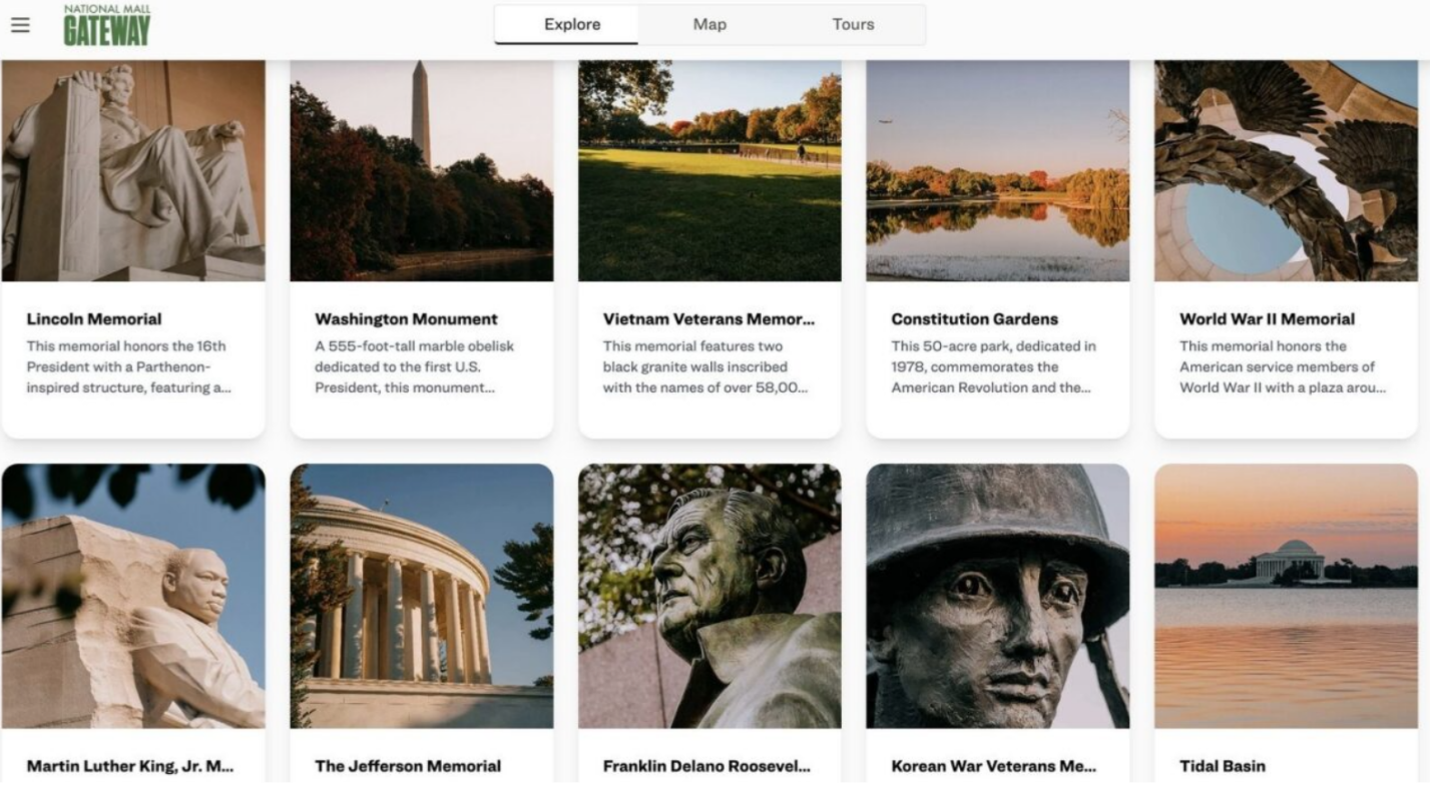
When I think about what ties us together as Americans, my mind goes to the National Mall. Not the granite or the lawns but what they represent, which is our shared story and the institutions that give people like me a chance to build a life.
I didn’t grow up around power or privilege. The doors that opened for me were made possible by public school teachers who believed in me, safe neighborhoods where I could focus on learning and work, a free market that rewarded effort, and freedoms that let me try, fail, and try again. Those aren’t abstract ideas. They’re the reasons I’ve been able to provide for my family and serve in roles I never imagined as a kid.
Which is why, as Chair of the Trust for the National Mall, I’m especially proud and excited about the launch of the National Mall Gateway, announced today in celebration of Constitution Day. It’s a digital and on-site learning platform that turns the Mall into a living classroom for all, with immersive stories, 360° tours, classroom resources, and curated itineraries, whether you’re at the Lincoln Memorial or at a kitchen table hundreds of miles away.
As we approach America’s 250th birthday in 2026, knowing our history matters more than ever. Not just for nostalgia’s sake, but for the wisdom it imparts. It keeps us from repeating mistakes, shows us where we’ve made progress, and reminds us that we need one another to keep moving forward.
A book that has stuck with me over the years, Why Nations Fail, makes a crucial point we’d do well to always remember, which is that countries do well when their institutions include people, and they struggle when those institutions shut people out. Inclusive institutions protect rights, invite participation, and open doors. Extractive ones concentrate power and limit what people can become. When I think about America at its best, I see a steady move toward inclusion, with more voices at the table and more people able to dream and do.
The National Mall Gateway helps bring this to life. It gives teachers tools to make civics real in the classroom. It gives families a way to plan meaningful visits or take virtual ones. And it gives all of us a clearer view of how our institutions were built, where they’ve fallen short, and how we can make them better.
For me, this is personal. I owe so much to the systems that supported me … public education, rule of law, the chance to start fresh when I stumbled, and an economy where hard work could turn into opportunity. I’m forever grateful for what this country has provided, and I feel a responsibility to help the next generation understand the “why” behind the monuments: not just what they commemorate, but the values they’re asking us to carry forward.
If you’re an educator, I hope you’ll take a look at the Gateway’s resources and bring them into your classroom. If you’re planning a family trip, use the interactive map and stories to turn a walk on the Mall into a conversation about our shared responsibilities. And if you’re someone who believes, as I do, that inclusive institutions are what keep the American experiment going, I hope you’ll support this work and share it with others.
The Mall is often called “America’s front yard.” To me, it’s our homebase, the place we return to when we need perspective. The National Mall Gateway opens this to everyone, everywhere. As we head toward the 250th, I can’t think of a better way to honor our history and invest in our future than helping more people connect with the ideas that have carried us this far.
Thanks for reading and for all you’re doing to keep those ideas alive.
-
Change Your Setting, Change Your Story

Last month, I lost my younger sister. Even writing that feels heavy. Grief has a way of slowing everything down and bringing up questions we often push aside: What really matters? Which choices shaped our lives? When did things turn one way instead of another?
Thinking about my sister, I’ve been looking back at her life and mine. Even though we grew up in the same family, the places we lived shaped us in different ways.
Going down memory lane can be very informative … where we grew up, the teams we joined, the mentors we listened to, the friends we chose. Looking back, we can see how those places and people nudged our decisions, moving us forward at times and holding us back at others.
Over time, I’ve learned our environment isn’t just background. It’s an active force that sets the bar, shapes how we grow, and often pushes us to take the harder path if we want to get better.
Environment Sets the Bar
Every environment sets expectations for what’s acceptable. It signals what gets praised and what gets ignored. Some circles shrug at cutting corners. Others make doing the right thing the only option. These signals become the unspoken rules that guide choices. Over time, those choices add up to a life.
My first lessons came at home. My parents worked long hours, often at more than one job, yet made room for others. When I was in seventh grade, our church helped resettle a Vietnamese refugee family. We didn’t have much, but my parents welcomed them anyway. This taught me that daily choices can change someone else’s direction, and your own. Generosity wasn’t an event but an expectation.
High school shifted my environment in a harder way. We moved to Houston, my mom’s health declined, and the steadiness I’d known at home slipped away. My grades fell. A counselor suggested I skip college. I almost did. What helped me climb out was a different circle of people. Friends in our neighborhood expected good grades, after-school jobs, and effort. They pushed me to apply to college. I finally did. Their expectations became my expectations which changed my path.
Designing on Purpose
College definitely tested me. My first term was anything but remarkable, so I changed my environment before I tried to change myself. I mapped my week: mornings, gaps between classes, and Sunday–Wednesday nights were for studying, and Thursday–Saturday nights were for friends. Setting simple priorities like earning good grades and protecting friendships moved me from struggling to thriving. Later I used the same approach to improve my health, treating calories like a bank account, doing workouts early in the morning, and keeping my routine simple. It felt odd, then normal, then natural. As life got busier, I simplified things more by putting the few things that mattered most on the calendar first, then course correcting as needed. Creating the pattern is the point. The right environment makes the right choice easier.
I’ve seen this play out in large organizations too. When leaders are clear about what matters and track a few basics, norms reset. A quick weekly update, celebrating small wins, and consistent follow-through shift “how we do things.” Notice when you expand beyond financial outcomes to include quality factors like customer satisfaction and purpose-driven goals, the solutions become more creative and sustainable. It’s a small shift, but one that can dramatically change the trajectory of the outcome. People don’t transform overnight, but the environment makes good choices easier.
Choosing the Harder Pond
One of the most important choices Janine and I made as parents was where to plant our family. We could be big fish in a small pond, or small fish in a large one. We chose the larger pond, meaning, we wanted our kids to be surrounded by peers who pushed themselves, teachers who demanded more, and communities that expected character as much as performance. We wanted them to learn to be comfortable being uncomfortable, going places where they wouldn’t be the best, fastest, or first.
There were days when we wondered if we’d made the right choice, but discomfort became a teacher. Our kids learned to ask for help, manage pressure, and fail without losing heart. We learned alongside them. We found friends raising grounded kids in demanding settings, and at home we prioritized the habits that held us together, like shared dinners, honest conversations, simple rituals. The environment outside raised the bar; the environment inside helped us meet it. Looking back, it was the best decision we made. Being small fish in a large pond stretched us and set clear expectations. Effort, humility, and integrity became the norm.
People Shape the Environment, and the Environment Shapes You
The people in our lives are the other life-changing factor. My parents modeled service. After my mom died, I found my way back to church and volunteering, and serving moved from an idea to a habit that still steadies me.
I didn’t always choose well. I’ve stayed in circles where cynicism was normal because it was convenient. I’ve mistaken talent for character, kept quiet when I should’ve spoken up, and held on to a few relationships long after it was clear we weren’t bringing out the best in each other. Those choices shaped me too, not in ways I wanted. The good news is we can change course. Proximity changes probability, who we spend time with moves us toward certain behaviors.
What helps me now? I pay attention to what people normalize—effort, honesty, and follow-through, or shortcuts and drama—because what’s common becomes contagious. I trust actions more than words, especially when it’s inconvenient; that’s when the real signal shows. I notice how I feel after time together: do I leave calmer and clearer, or the opposite? I start small and test trust, sharing a little and seeing how it’s handled before sharing more. And I try to offer what I’m asking for—show up, keep my word, give credit, own my mistakes—so I can be the kind of company I’m looking for.
Start Small, Then Keep Going
Life will still bring loss and surprise, but we can shape our environment far more than we think. Begin with one specific change. Pick a place that supports the person you want to be. If you need focus, go where focus is easy. For me, that was the library in college, the quiet early hours for exercise, and a Sunday planning ritual. Let the place make the right choice the easy choice.Curate your people. Find friends and mentors who tell the truth, ask good questions, and believe you can do hard things. I wouldn’t have gone to college without the nudge of friends. I wouldn’t have stayed grounded without people who reminded me that service is the point.
Name what you care about and write it down. Words shape choices, and choices shape days. Over time, days become a life. I’ve met plenty of talented people who stayed stuck because their surroundings worked against them. I’ve also seen people who had every reason to quit keep going because they put themselves in places that helped. One set the alarm a little earlier, sat at the kitchen table at 6 a.m., and gave their best time to what mattered most. One asked to join the toughest team and sat next to someone who pushed them. One found a faith community that reminded them they were made to serve, not to impress. None of that makes headlines, but all of it makes a difference.
_______
In the end, our environments become our habits, and our habits become our story. I see it in my story and in my sister’s, both shaped by our experiences and the people in our lives. The good news is we get to write a lot of it. Choose places that set a high bar for what’s acceptable. Choose people who bring out your best. Build simple systems that favor consistency over intensity. When you have more than you need, lend your hand and serve. There’s no better environment, for others and for you, than that. Start small, keep going, and let the right environment do what it does best: pull you forward.
-
Five Habits That Outlast Any Technology, or Generation

A few weeks ago, I came across a Wall Street Journal article that caught my attention: “Stop Complaining About Gen Z Workers—and Start Helping Them.” It took me back to my own first years in the workplace, from lessons I picked up in overheard conversations to quick hallway chats and watching experienced co-workers handle tough situations. Gen Z missed out on many of those moments. The pandemic meant no in-person internships, fewer casual office interactions, and fewer opportunities to learn by simply being in the room.
Instead of criticizing, the article emphasized we should be guiding them and helping them develop skills and instincts that only come with experience. Rather than “fixing” Gen Z, the focus should be on creating workplaces where all generations learn from one another.
This matters more than ever because today’s workplace brings together more generations than ever before. Millennials now make up the largest share at about 36%, with Gen X close behind at 31%. Gen Z is already 18% and growing fast, while Baby Boomers represent around 15% but are retiring in greater numbers each year. What makes this mix powerful is that each group adds something different. Boomers bring hard-earned experience, Gen X is known for rolling with change, Millennials push for collaboration and purpose, and Gen Z shows up with digital fluency, fresh ideas, and a passion for making a difference.
That said, stereotypes still exist. I’ve heard people say Gen Zers change jobs too quickly, are too sensitive, or can’t handle tough feedback. My experience has been different. Leading large organizations, I’ve seen Gen Z teammates bring sharp thinking, creativity, and a fearlessness in questioning long-standing processes. Their “why” often pushed us to reexamine old habits, usually leading to better solutions. I also admired their candor about well-being, a topic my generation mostly kept behind closed doors.
Ultimately, workplace success is a two-way street. Leaders and experienced colleagues should invest in younger talent, while younger employees must respect the experience of those who’ve been around longer. When both sides meet halfway with curiosity, humility, and respect, great things happen!
Over the years, I’ve noticed a few habits that cut across every generation and every role. They’re timeless, and they have more to do with how we show up each day than with our age or job title.
Take a genuine interest in others
One of the first lessons I learned was how much it matters to care about what others are trying to accomplish. In my first consulting job, delivering forecasts could have been all about the numbers—run them, send them, move on. But the real impact came when I asked questions like, “What’s your goal with this?” or “How will you use it?” That made the work more relevant and built relationships.
I later saw the same approach in some of the most effective leaders I worked with. One senior operations leader started every project kickoff by asking team members what success looked like for them, not just for the company. Another made a habit of walking the floor, stopping at desks to ask how projects connected to someone’s personal goals.
You don’t have to be a leader to do this. Any employee can take a moment to learn what matters to teammates. Genuine curiosity builds trust and often uncovers ideas that make the work better. In today’s remote and hybrid world, it just takes more intention. A quick text, a virtual coffee chat, regular team calls, or even a surprise “How are you doing?” can go a long way. Leaders can set the tone, but anyone can strengthen connections by showing interest in others.
Be consistent, even in the small things
During college, I worked as a porter at a Houston car dealership. My job was washing cars, mowing lawns, and running errands in the Texas heat. It wasn’t glamorous, but showing up on time and doing the job well every time built trust. That trust led to more responsibility, even without a new title. People notice reliability. It’s one of the fastest ways to build credibility.
I saw the same in frontline customer service reps I later worked with. They handled tough calls day after day with steady calm, listening fully before responding, and following through. Consistency is something anyone can practice. Meeting deadlines, keeping promises, or showing up prepared. Reliability builds a reputation worth having no matter where you are in your career.
Stay curious and open-minded
Some of the best teammates I’ve worked with closed generational gaps simply by staying curious. Curiosity invites conversation. I’ve seen senior leaders ask younger employees, “How would you tackle this?” or “What do you see that I might be missing?” It made people feel valued, no matter their experience.
I’ve also seen newer employees ask seasoned colleagues why something had always been done a certain way before suggesting a new approach. That back-and-forth builds respect, and soon the generational divide feels less like “us and them” and more like learning together.
Adapt how you communicate
Early in my career, I learned quickly that presenting financial results to a marketing team required a different approach than presenting them to finance. Years later, I saw younger engineers preferred quick, visual updates over long meetings.
Adapting doesn’t mean changing who you are, it means making sure your message connects. It starts with knowing your audience, which comes from listening. I’ve seen leaders take a minute to ask a few questions before updating a team, and you can see the difference it makes. People tune in, the conversation becomes more relevant, and it stops feeling like a one-way conversation.
For anyone, this is a skill worth practicing. Pay attention to how people take in information and adjust your approach. You’ll stand out as someone who connects across teams and situations.
Practice gratitude
One of the most underrated habits at work is gratitude. I’ve seen firsthand how far it can go. After tough stretches, like long enrollment seasons, leaders who visited frontline teams to thank them face-to-face had a noticeable impact. The most effective didn’t just say “thanks” but wrote short, specific notes. I’d see those pinned to cubicle walls months, even years later.
Gratitude isn’t just for leaders. Anyone can acknowledge a teammate’s help, call out good work in a meeting, or send a quick note after someone goes the extra mile. Whether it’s top-down or peer-to-peer, sincere appreciation builds trust, boosts morale, and makes people want to give their best again next time.
______________
No matter your generation or career stage, the habits that make a workplace stronger, and help you stand out, are ones that never go out of style:- Be consistent in what you deliver.
- Stay curious and humble enough to learn from anyone.
- Adjust how you communicate so others can act on it.
- Show appreciation often and sincerely.
The tools will change. The technologies will evolve. Generations will keep shifting. But the basics stay the same. They mattered when I was washing cars in Houston, and they matter just as much for Gen Z today. Commit to them, and you’ll keep the two-way street between generations open and help in building workplaces where everyone can thrive.
- Homepage
- >
- Thought Letter