
esides great food and extra time with family and friends, the best part of the holiday season is the slower pace for “think” time, something most everyone wishes they had more of.
So that’s what I did during the Thanksgiving holiday, I took time to think about stuff including learnings from my recent trip to India. Like previous visits, I was amazed by the country’s vibrancy, with its mix of people of diverse cultures, backgrounds, and experiences. Just a quick look at India’s currency tells of its diverse population with the value/denomination of its bank notes written in 15 languages (17 for some amounts). The wisdom of incorporating all these cultures into something as significant as the currency is a powerful way to create unity across the country. There’s a lot to be learned from this from a business, people, and culture perspective.
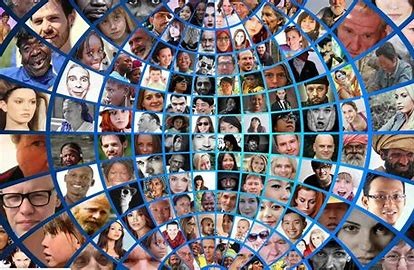
One of which is the discussion of diversity and the limited way we tend to define it in the business world. Most often the discussion centers on inherent diversity, those unique traits we’re born with like our race, our gender, our ethnicity, etc. And while there’s no question this focus is important and much needed, it stops short of harnessing the benefits of the broader and more complete definition of diversity which includes acquired diversity, stemming from the summation of one’s life and work experiences. We don’t talk about this enough, which is a miss when it comes to what people are capable of bringing to the table.
In my experience over the years of hiring people and building teams, I’ve found when you bring together people with diverse backgrounds and experiences to innovate and solve complex problems, it leads to the best decisions. Yet, many leaders (me included) don’t do enough to leverage these impactful individuals because we’ve been trained (falsely) that leaders should have all the answers when, in fact, assembling a diverse team and letting them iterate their way to solutions nets the best outcomes.
Times are changing though. Just recently, I was encouraged to see a diverse group of teammates work together to develop a solution for some of our most vulnerable customers. The team included customer care representatives, engineers, data scientists, clinicians, and managers. One of the most important ingredients of the team’s success was the sponsorship of a senior leader who created an environment where the team felt empowered and passionate about being part of solving the problem, and safe in being able to iterate, debate, and speak-up. This wise senior leader realized they didn’t need to have all the answers but had to set an environment where the team could thrive and feel confident in sharing their unique talents and capabilities.
Over the years, I’ve found the best leaders are those who are mindful of constructing diverse teams (inherent and acquired) and of creating an environment where everyone feels included and heard. A mentor once told me that the best leaders aren’t the ones who are the most knowledgeable but ones who ask the best questions … questions that stimulate empowerment, create debate, and encourage iteration. The opposite of this is what limits a company’s (and individual’s) potential. I’m sure we’ve all been there, the meeting where the most senior person is dictating the answers and ordering the team to implement their ideas. This kind of environment drains energy and creates fear and lack of ownership of the solution. And over time, the “I’m the expert” management style creates a dysfunctional culture leading to low engagement, with little to no advancement in productivity and innovation.
Broadening the definition of diversity to capture its full meaning is an area of opportunity in the business world … and something we can all contribute to. There’s so much potential to be tapped into given the varied backgrounds and experiences we each bring to a team. Like those who’ve served in the military and the incredible context they bring to a company from having had to integrate into many different cultures and environments. And those who work directly with customers and the perspective they bring in seeing through the customers’ eyes where improvements can be made. I’ve found including teammates with diverse backgrounds, whether socioeconomic, ethnic, race, sexual orientation, etc., elevates and enlightens the conversation, and challenges the natural biases that exist because of our differences.
- Those of us who’ve been given the opportunity to lead others must stretch to the next level, creating environments where everyone on the team can be their best. Some effective ways to do this …
- Practice being comfortable with being uncomfortable … not having all the answers. Your job as a leader isn’t to know it all but to help the team find the best solution.
- When working on a business problem, bring in teammates with different backgrounds, experiences, and perspectives from your own.
- Ask good questions that encourage healthy debate and speaking up.
- Provide encouragement when there are failures knowing learning from what didn’t go right is always much richer than when things go according to plan. Celebrate the failures for this reason.
- And most important, establish a beacon so there’s a constant reminder of the “why” of the work. This is what keeps teams together when they’re in the thick of it. Always lead them back to the purpose.
——
It never fails, when I take the time to understand others’ perspectives, I learn so much and am better off for it. A takeaway for all of us is to always be curious in our interactions with others, recognizing everyone has much more to offer than what appears on the surface. This seemingly small action can absolutely change the tone of our workplaces, our communities—and our world—helping others feel safe and free to show their other dimensions.